Introduction
Aadhaar has become one of the most important identity systems in India, serving as a universal proof of identity and address for residents. Over the years, it has undergone several upgrades to enhance security, usability, and digital integration. One of the most significant recent developments is the introduction and expansion of the new Aadhaar QR code system, which strengthens authentication while protecting user privacy.
This article provides a comprehensive, copyright-free overview of the Aadhaar QR code update, including its purpose, features, benefits, working mechanism, use cases, and future implications.
What is the Aadhaar QR Code?
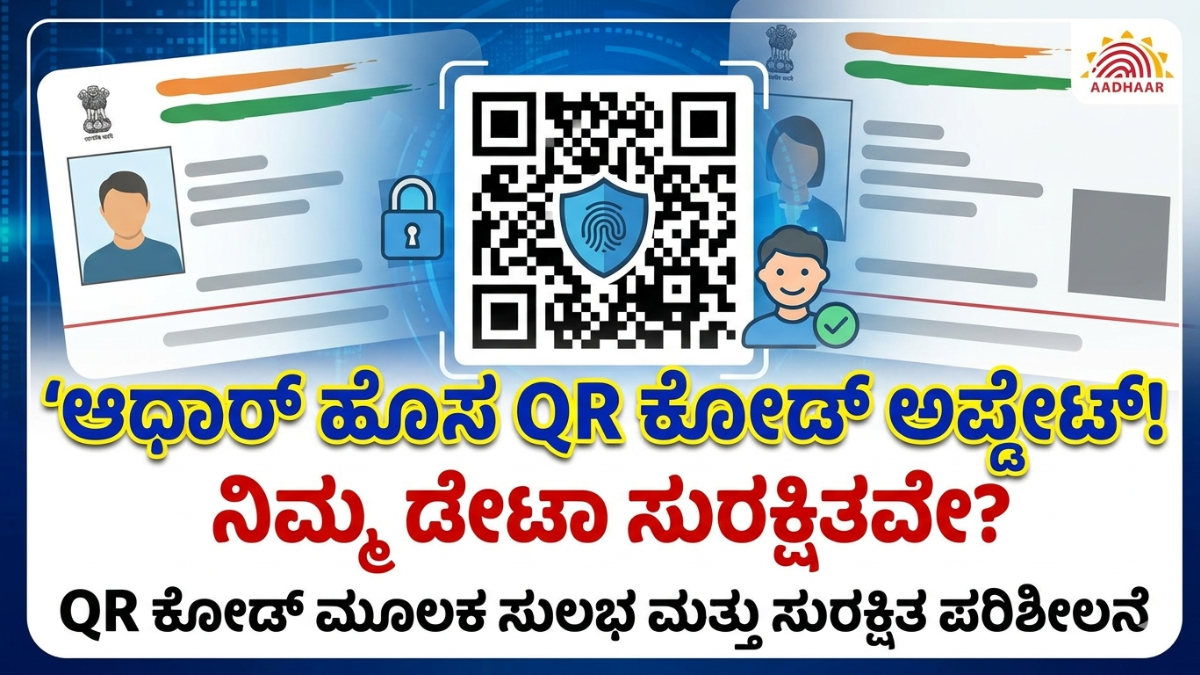
The Aadhaar QR code is a machine-readable code printed on Aadhaar cards (both physical and digital versions) that contains essential demographic details of the cardholder. It allows instant offline verification without needing access to a central database.
Earlier versions of the Aadhaar card included a basic QR code, but the new update introduces an enhanced secure QR code with advanced encryption and additional features.
Why Was the QR Code Update Introduced?
The Aadhaar system serves over a billion residents, making it a prime target for misuse or fraud. The QR code update was introduced to address key concerns:
- Prevent identity fraud and duplication
- Enable offline verification without internet access
- Reduce dependence on photocopies and manual checks
- Enhance data privacy and limit unnecessary information sharing
- Provide faster and more reliable authentication
The update ensures that Aadhaar verification becomes both secure and user-friendly.
Key Features of the New Aadhaar QR Code
1. Secure Encryption
The updated QR code is digitally signed and encrypted, ensuring that the data cannot be tampered with or altered.
2. Offline Verification
Users can verify Aadhaar details without internet connectivity by scanning the QR code using authorized applications.
3. Limited Data Sharing
Only essential information is embedded in the QR code, reducing the risk of data misuse.
4. Digital Signature Validation
The QR code includes a digital signature that verifies its authenticity and confirms that the data comes from a trusted source.
5. Photo Integration
The updated QR code contains the Aadhaar holder’s photograph, enabling visual verification along with digital authentication.
6. Compatibility with Digital Aadhaar
The QR code works seamlessly with digital formats such as e-Aadhaar and mobile-based Aadhaar versions.
Types of Aadhaar QR Codes
With the update, Aadhaar QR codes are now available in multiple formats:
1. Printed QR Code
Found on physical Aadhaar cards, including PVC cards and paper printouts.
2. e-Aadhaar QR Code
Available in downloaded PDF versions of Aadhaar.
3. Masked Aadhaar QR Code
A privacy-focused version where only the last four digits of the Aadhaar number are visible.
How the New QR Code Works
The working of the Aadhaar QR code involves a simple yet secure process:
- The QR code contains encrypted demographic data such as:
- Name
- Date of birth
- Gender
- Address
- Photograph
- When scanned using an authorized app:
- The app decodes the QR code
- Verifies the digital signature
- Displays the Aadhaar holder’s details
- If the signature is valid:
- The Aadhaar is confirmed as genuine
- If tampered:
- The verification fails immediately
This process ensures instant and reliable authentication.
How to Scan the Aadhaar QR Code
Scanning the new Aadhaar QR code is easy and can be done using official tools:
Steps:
- Download an authorized QR scanner app for Aadhaar
- Open the scanner feature
- Point the camera at the QR code
- Wait for the scan to complete
- View verified Aadhaar details on the screen
This process works even without internet connectivity, making it highly practical.
Benefits of the Aadhaar QR Code Update
1. Enhanced Security
The encrypted QR code prevents forgery and unauthorized duplication.
2. Faster Verification
Verification takes only a few seconds compared to manual document checks.
3. Offline Functionality
No need for internet access, making it useful in remote areas.
4. Reduced Paperwork
Eliminates the need for photocopies and physical document submission.
5. Improved Privacy
Users can choose masked Aadhaar versions to limit data exposure.
6. Ease of Use
Simple scanning process makes it accessible for both individuals and organizations.
Use Cases of the New Aadhaar QR Code
The updated QR code is widely applicable across various sectors:
1. Banking and Financial Services
Banks use QR code scanning for quick KYC verification.
2. Telecom Services
Mobile SIM activation becomes faster and more secure.
3. Travel and Hospitality
Hotels and transport services use Aadhaar QR for identity verification.
4. Government Services
Public service delivery becomes efficient with instant Aadhaar validation.
5. Employment Verification
Employers can verify identity without storing sensitive documents.
Aadhaar QR Code vs Traditional Verification
| Feature | Traditional Verification | QR Code Verification |
|---|---|---|
| Speed | Slow | Instant |
| Internet Required | Often | Not required |
| Risk of Forgery | High | Very low |
| Data Privacy | Limited | High |
| Ease of Use | Moderate | Simple |
The QR code system clearly offers a more modern and secure alternative.
Privacy and Security Considerations
The Aadhaar QR code update places strong emphasis on privacy:
- Data is encrypted and digitally signed
- Only limited information is shared
- Users can use masked Aadhaar for added protection
- No central database access is required during verification
These measures ensure that Aadhaar remains a privacy-conscious identity system.
Common Misconceptions About Aadhaar QR Code
Myth 1: QR code reveals full Aadhaar number
Reality: Masked versions hide sensitive details.
Myth 2: QR scanning requires internet
Reality: Verification works offline.
Myth 3: QR codes can be easily copied
Reality: Digital signatures prevent misuse.
How to Get the Updated Aadhaar QR Code
If your Aadhaar does not have the updated QR code, you can:
- Download the latest e-Aadhaar online
- Order a PVC Aadhaar card
- Use masked Aadhaar for added privacy
The updated QR code is automatically included in newer versions.
Challenges and Limitations
While the QR code update is highly beneficial, some challenges remain:
1. Awareness Gap
Not all users are aware of QR-based verification.
2. Device Dependency
Requires smartphones or scanning devices.
3. Adoption Rate
Some institutions still rely on traditional methods.
4. Technical Literacy
Elderly users may find digital processes challenging.
Future of Aadhaar QR Code Technology
The Aadhaar QR code system is expected to evolve further:
- Integration with digital wallets
- Contactless verification systems
- Biometric-linked QR authentication
- Wider adoption across private sectors
- Enhanced encryption technologies
The future points toward a fully digital, secure identity ecosystem.
Tips for Safe Usage
To ensure safe use of Aadhaar QR codes:
- Always use official apps for scanning
- Avoid sharing Aadhaar copies unnecessarily
- Prefer masked Aadhaar when possible
- Keep your Aadhaar updated
- Verify before trusting scanned results
Conclusion
The Aadhaar new QR code update marks a major step forward in digital identity verification in India. By combining security, convenience, and privacy, it transforms how identity authentication is performed across sectors.
The ability to verify identity instantly, even without internet access, makes it especially valuable in a country with diverse infrastructure conditions. At the same time, enhanced encryption and limited data sharing ensure that user privacy is not compromised.
As adoption continues to grow, the Aadhaar QR code system is likely to become the standard for identity verification, replacing outdated methods and paving the way for a more efficient digital future.