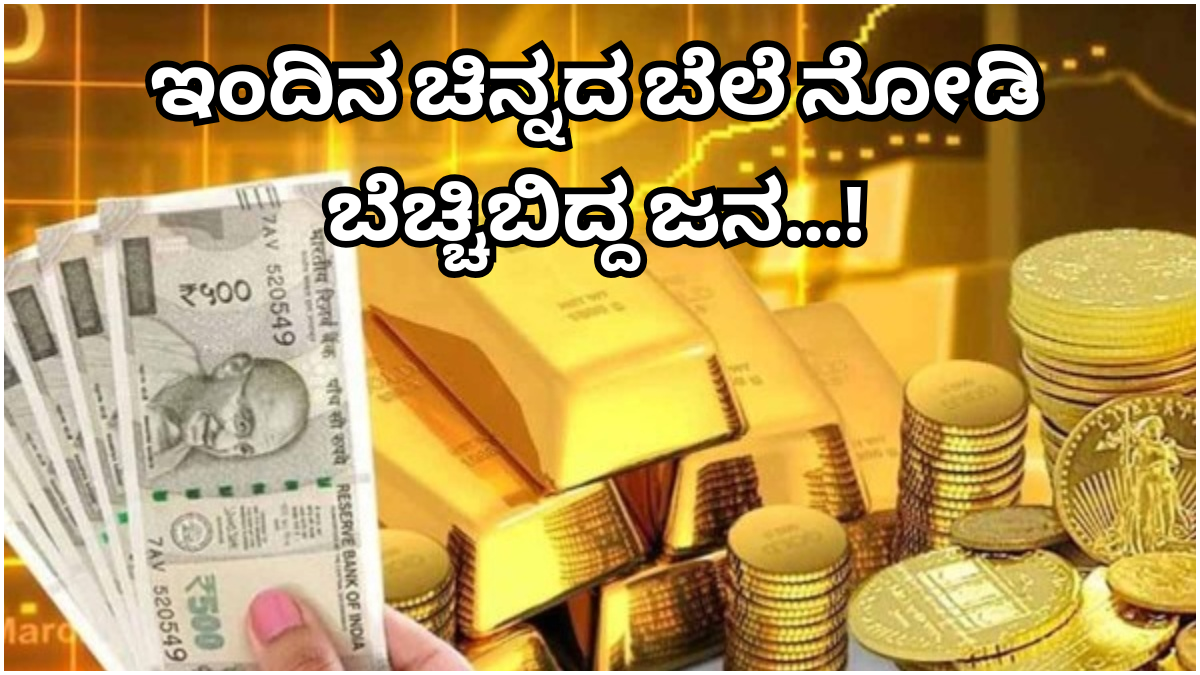
Gold has always held a special place in Indian households. More than just a precious metal, it represents wealth, tradition, cultural identity, and emotional security. From weddings and festivals to investments and inheritance, gold plays an integral role in the lives of millions. For many families, owning gold is not just a financial goal but a lifelong aspiration.

However, in recent weeks, rising gold prices had made it increasingly difficult for ordinary people to purchase even small quantities. The soaring rates discouraged middle-class and lower-income families, who began to wonder whether gold would soon become unaffordable altogether.
At a time when concerns about high prices were growing, an unexpected and welcome development has emerged. Just ahead of the Ugadi festival—the New Year celebration for many South Indian communities—gold prices have witnessed a significant and sudden drop, bringing relief and excitement to buyers and investors alike.
A Sudden and Significant Price Drop
In a surprising turn of events, the price of gold has fallen sharply, creating a buzz in the market. The decline is substantial enough to catch the attention of both consumers and financial experts.
According to the latest figures:
- The price of 24-carat gold (100 grams) has dropped by approximately ₹55,100.
- The new price stands at around ₹15,19,100 per 100 grams.
- For 10 grams of 24-carat gold, the price is now about ₹1,51,910.
- This reflects a drop of roughly ₹5,510 per 10 grams.
Similarly, 22-carat gold, which is commonly used for making jewelry, has also seen a noticeable decline. The reduction in its price has made it more attractive for those planning to purchase ornaments for festivals, weddings, or personal use.
This kind of sudden drop is rare and has come as a pleasant surprise, especially during a festive season when demand for gold typically rises.
Why Gold Holds Such Importance in India
To understand why this price drop matters so much, it’s important to look at the cultural and financial significance of gold in India.
Gold is deeply rooted in traditions and rituals. It is considered auspicious and is often bought during festivals like Ugadi, Akshaya Tritiya, Diwali, and weddings. Families view gold as a symbol of prosperity and good fortune.
Apart from its cultural value, gold is also seen as a safe investment. Unlike many other assets, gold tends to retain its value over time and is often used as a hedge against inflation and economic uncertainty. During times of financial instability, people turn to gold as a reliable store of wealth.
Because of these reasons, any fluctuation in gold prices directly impacts millions of households across the country.
The Role of the Stock Market in Gold Price Movement
The recent drop in gold prices is closely linked to developments in the stock market. Financial markets are interconnected, and changes in one sector often influence others.
In this case, the Indian stock market experienced a sharp decline:
- The benchmark index fell by over 3%.
- Another major index dropped by nearly 2,500 points in a single session.
This sudden downturn led to widespread panic among investors. As stock prices fell, many investors began withdrawing their funds to minimize losses. This large-scale withdrawal created volatility in the financial system.
Foreign investors, in particular, played a key role. As they pulled their investments out of the market, liquidity tightened, and uncertainty increased. This shift in investor behavior had a ripple effect across asset classes, including gold.
How Market Volatility Affects Gold Prices
Gold is often considered a “safe haven” asset. When stock markets perform poorly or when there is economic uncertainty, investors usually turn to gold as a safer alternative.
However, in some cases—like the current situation—investors may sell gold holdings to cover losses in other investments or to maintain liquidity. This increased selling pressure can lead to a temporary drop in gold prices.
Additionally, currency fluctuations and global economic trends also influence gold rates. Changes in interest rates, inflation expectations, and geopolitical events can all impact demand and supply dynamics.
In this scenario, a combination of stock market decline, investor withdrawals, and broader economic concerns has contributed to the fall in gold prices.
Impact on Investors and the Economy
The recent market turmoil has had a significant impact on investors. Reports suggest that investors have collectively lost a massive amount of wealth due to the stock market crash.
This loss has particularly affected retail investors—individuals who invest their personal savings in the market. Many of them have seen their portfolios shrink rapidly, leading to financial stress and uncertainty.
Experts believe that such developments could signal potential economic challenges ahead. When markets become unstable, it can affect consumer confidence, spending patterns, and overall economic growth.
However, for gold buyers, this situation has created a unique opportunity.
A Golden Opportunity for Buyers
The drop in gold prices comes at an ideal time, especially with the Ugadi festival around the corner. Traditionally, festivals are considered auspicious occasions for purchasing gold, and many families plan their purchases months in advance.
With prices now lower than recent highs, buyers can take advantage of this situation to make their purchases at a relatively affordable rate.
This is particularly beneficial for:
- Families planning weddings
- Individuals looking to invest in gold
- Buyers interested in jewelry purchases
- Long-term investors seeking portfolio diversification
For those who had postponed their purchases due to high prices, this sudden dip provides a much-needed window of opportunity.
Should You Buy Gold Now?
While the current price drop is encouraging, it’s important to approach gold buying with a clear strategy.
Here are a few considerations:
1. Short-Term vs Long-Term Goals
If you are buying gold for immediate use—such as jewelry for a wedding or festival—this may be a good time to purchase. However, if you are investing, it’s important to think long-term.
2. Market Volatility
Gold prices can fluctuate based on global and domestic factors. While the current dip is attractive, prices could either rise again or fall further.
3. Diversification
Financial experts often recommend including gold as part of a diversified investment portfolio. It helps balance risks and provides stability during uncertain times.
4. Buy in Small Quantities
Instead of investing a large amount at once, consider buying gold in smaller quantities over time. This strategy helps reduce the risk of price fluctuations.
Expert Opinions on the Trend
Market analysts believe that the current drop in gold prices may be temporary. If economic uncertainty continues, gold could regain its upward momentum as investors seek safer assets.
On the other hand, if stock markets stabilize and investor confidence returns, gold prices might remain subdued for a while.
Therefore, timing the market perfectly is difficult. Buyers should focus on their personal needs and financial goals rather than trying to predict short-term price movements.
Conclusion
The recent decline in gold prices has come as a welcome relief for buyers across the country. After weeks of rising rates that made gold increasingly unaffordable, this sudden drop has reopened opportunities for many.
The timing—just before the Ugadi festival—adds to the excitement, as families traditionally look forward to buying gold during this auspicious period.
While the fall in prices is largely driven by stock market volatility and investor behavior, it has created a favorable situation for those planning to purchase gold.
Whether you are buying for cultural, personal, or investment purposes, this could be a good time to consider your options. However, it is always wise to make informed decisions, keep an eye on market trends, and align your purchases with your financial goals.
In the end, gold continues to shine—not just as a metal, but as a symbol of stability, tradition, and enduring value.