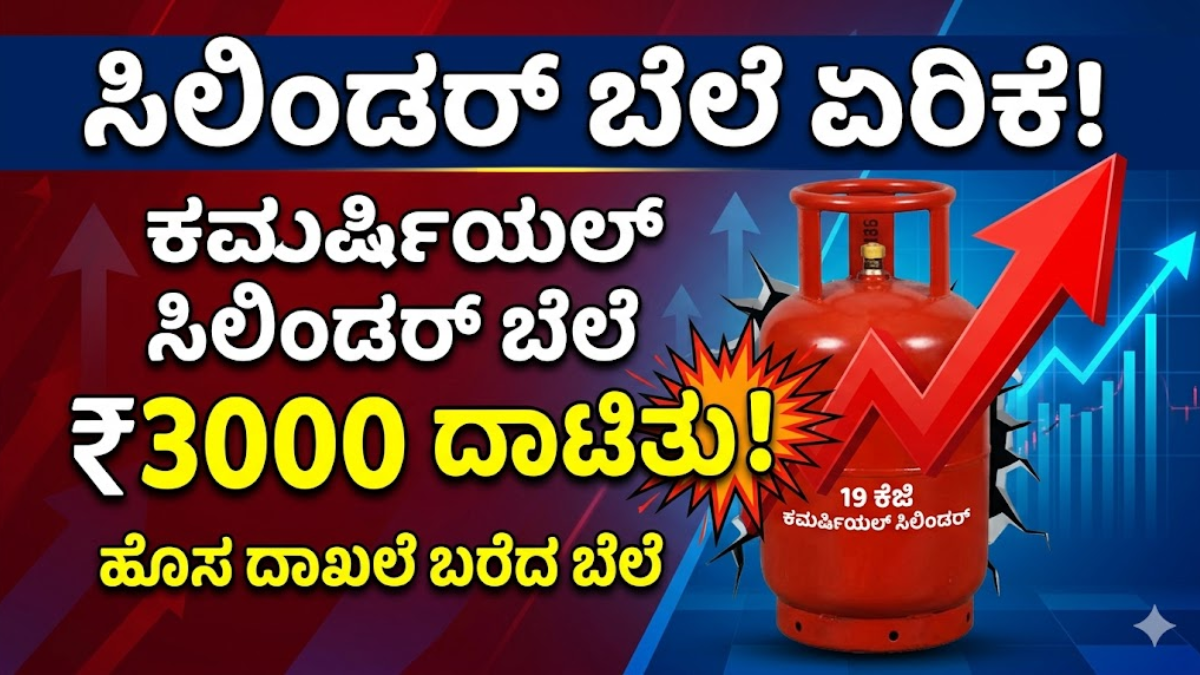
A sudden and significant increase in the price of commercial LPG cylinders has sent shockwaves across India’s business community, particularly affecting hotels, restaurants, and small-scale food enterprises. At a time when inflation is already straining household and business budgets, this steep hike adds another layer of financial pressure.

Massive Increase in Commercial LPG Prices
Effective from May 1, 2026, the price of a 19 kg commercial LPG cylinder has been increased by nearly ₹993. This dramatic rise has caught many business owners off guard, as there was no prior indication of such a substantial adjustment.
In New Delhi, the price of a commercial cylinder has jumped from ₹2,078.50 to ₹3,071.50. Similarly, in Bengaluru, the cost has surged by ₹991, taking the price to around ₹3,152 per cylinder. This marks a sharp climb from the earlier average range of ₹2,000, pushing prices well beyond the ₹3,000 mark.
For many small and medium-sized businesses, especially in the food industry, this increase represents a significant operational burden.
Relief for Households, But Not for Businesses
One small relief in this situation is that domestic LPG cylinder prices (14.2 kg) remain unchanged. However, this does not necessarily shield consumers from indirect impacts. As businesses face higher operational costs, these expenses are likely to be passed on to customers.
Restaurants, street food vendors, cafés, bakeries, and catering services depend heavily on LPG for daily operations. With input costs rising sharply, many of these establishments may have no option but to increase the prices of food and beverages.
Key Highlights of the Price Hike
- Effective Date: May 1, 2026
- Price Increase: Approximately ₹993 per commercial cylinder
- Delhi Price: Increased from ₹2,078.50 to ₹3,071.50
- Bengaluru Price: Increased to around ₹3,152
- Affected Sectors: Hotels, restaurants, catering businesses, bakeries, and small food vendors
Impact on the Food Industry
The food and hospitality sector is among the hardest hit by this sudden price surge. LPG is a primary fuel source for cooking in commercial kitchens, and any increase directly affects operational expenses.
Small hotel owners and local eateries, which often operate on thin profit margins, are particularly vulnerable. Many of them are already grappling with rising costs of raw materials, transportation, and labor. This additional burden could force some businesses to either cut costs elsewhere, reduce staff, or increase menu prices.
Industry experts estimate that food prices in restaurants and cafés could rise by 10% to 15% in the coming weeks. This means customers may soon notice higher prices for everyday items such as tea, coffee, snacks, and full meals.
Chain Reaction on Consumers
Although domestic LPG prices remain stable, the commercial price hike will likely have a cascading effect on the general public. As eateries increase prices to maintain profitability, consumers will end up paying more for dining out.
This could also impact urban lifestyles, where eating out or ordering food is a regular habit. For middle-class families, this translates to reduced discretionary spending or a shift toward home-cooked meals.
Reasons Behind the Price Hike
Several global and domestic factors have contributed to this steep increase in commercial LPG prices:
1. Rising Global Energy Prices
Fluctuations in international crude oil and natural gas prices play a major role in determining LPG costs. In recent months, global energy markets have remained volatile due to shifting demand and supply conditions.
2. Geopolitical Tensions in West Asia
The West Asia region, which is a key supplier of crude oil and gas, has been experiencing ongoing geopolitical instability. Conflicts and political uncertainties in this region have disrupted supply chains, leading to higher prices.
3. Increased Import Costs
India relies heavily on imports for its energy needs. Any rise in global fuel prices increases the cost of imports. Oil marketing companies often pass on this additional cost to consumers, particularly in the commercial segment.
4. Depreciation of the Indian Rupee
Fluctuations in the value of the Indian rupee against the US dollar also impact LPG prices. A weaker rupee makes imports more expensive, further contributing to price hikes.
5. Supply-Demand Imbalance
Seasonal demand changes and logistical challenges can create temporary imbalances in supply, pushing prices upward.
Challenges for Small Businesses
Small and medium enterprises (SMEs) in the food sector face the toughest challenges in adapting to such sudden cost increases. Unlike large restaurant chains, they have limited financial buffers and less flexibility in pricing strategies.
Many small vendors may try to absorb part of the cost increase to retain customers, but this approach is not sustainable in the long term. Eventually, most businesses will be forced to revise their pricing.
Possible Responses from the Industry
Businesses are likely to adopt a mix of strategies to cope with the rising costs:
- Increasing menu prices gradually
- Reducing portion sizes
- Optimizing fuel usage and minimizing wastage
- Exploring alternative cooking fuels (where feasible)
- Cutting operational costs in other areas
However, each of these measures comes with its own limitations and risks.
Broader Economic Implications
This LPG price hike is not an isolated event—it reflects broader economic trends, including inflationary pressures and global market instability. Rising fuel costs often lead to increased prices across multiple sectors, contributing to overall inflation.
If such trends continue, they could slow down consumer spending and affect economic growth, particularly in urban service sectors.
What Lies Ahead?
The future trajectory of LPG prices will largely depend on global energy trends, geopolitical developments, and currency movements. If international markets stabilize, there may be some relief in the coming months. However, continued volatility could result in further price adjustments.
For now, businesses and consumers alike must prepare for a period of higher costs and tighter budgets.
Conclusion
The steep increase in commercial LPG prices has created a ripple effect across India’s food and hospitality sector. While households may be temporarily shielded, the indirect impact on daily expenses is inevitable. As businesses struggle to adapt, consumers will likely feel the pinch through higher food prices.
This development highlights the interconnected nature of global energy markets and local economies. In the coming weeks, how businesses respond—and how consumers adjust—will determine the broader impact of this price hike.