Introduction
In the age of digital governance, identity plays a crucial role in accessing public services, financial systems, and welfare schemes. Recognizing the need for a secure, portable, and technology-driven identity system, the Government of India introduced Aadhaar, the world’s largest biometric identification program. As India progressed toward digital transformation, the need for a mobile-based Aadhaar solution became evident. This led to the launch of the Digital Aadhaar Card App, popularly known as mAadhaar.
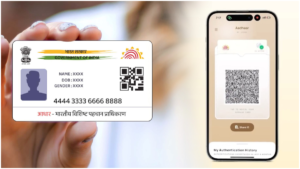
The Digital Aadhaar Card App is an official mobile application developed by the Unique Identification Authority of India (UIDAI) under the Central Government of India. The app allows Aadhaar holders to carry their Aadhaar information digitally on their smartphones, eliminating the need to carry a physical card at all times.
This article provides a complete and detailed overview of the Digital Aadhaar Card App, its objectives, features, benefits, security aspects, use cases, challenges, and future potential.
Understanding Aadhaar and Its Digital Evolution
What Is Aadhaar?
Aadhaar is a 12-digit unique identification number issued to residents of India based on their biometric and demographic data. It serves as a proof of identity and address and is widely used for government services, subsidies, banking, taxation, and telecom services.
Why Digital Aadhaar Was Needed
Although the physical Aadhaar card was widely accepted, it had certain limitations:
- Risk of loss or damage
- Possibility of misuse if copied
- Inconvenience of carrying a physical document
- Growing demand for paperless services
To address these issues, the government introduced digital solutions such as e-Aadhaar, Virtual ID, and ultimately the Digital Aadhaar Card App (mAadhaar).
What Is the Digital Aadhaar Card App (mAadhaar)?
The Digital Aadhaar Card App, commonly called mAadhaar, is a mobile application officially released by UIDAI. It allows Aadhaar holders to store and manage their Aadhaar details securely on their smartphones.
The app is designed to provide anytime, anywhere access to Aadhaar information while ensuring privacy, data protection, and user control.
Objectives of the Digital Aadhaar Card App
The main objectives behind launching the Digital Aadhaar Card App include:
- Promoting Digital Governance
- Reducing Dependency on Physical Documents
- Enhancing Data Security and Privacy
- Improving Ease of Access to Services
- Supporting Paperless and Contactless Verification
Key Features of the Digital Aadhaar Card App
1. Carry Aadhaar Digitally
Users can carry their Aadhaar details on their smartphones, making it a legally valid and convenient alternative to the physical card.
2. Offline Aadhaar Access
The app allows users to access Aadhaar information even without an internet connection once the data is downloaded securely.
3. QR Code-Based Verification
The app generates a secure QR code that can be scanned by authorized agencies for instant verification without sharing complete Aadhaar details.
4. Biometric Lock and Unlock
Users can lock or unlock their biometric data directly from the app, providing greater control and protection against misuse.
5. Virtual ID (VID) Generation
The app allows users to generate or retrieve a Virtual ID, which can be used instead of the actual Aadhaar number during authentication.
6. Multiple Aadhaar Profiles
A single device can store multiple Aadhaar profiles, which is useful for families managing Aadhaar details of children or elderly members.
7. Multilingual Support
The app supports multiple Indian languages, making it accessible to a wider population.
8. Paperless e-KYC
The app supports electronic Know Your Customer (e-KYC), enabling faster and more secure identity verification.
How the Digital Aadhaar Card App Works
Step 1: Download and Install
Users download the official Digital Aadhaar Card App from authorized app stores.
Step 2: Aadhaar Registration
The Aadhaar number is linked to the app using a One-Time Password (OTP) sent to the registered mobile number.
Step 3: Secure Profile Creation
A secure profile is created within the app using a password or biometric authentication.
Step 4: Data Access and Usage
Once set up, users can view, share, or verify Aadhaar details securely through the app.
Security and Privacy Measures
Security is a core component of the Digital Aadhaar Card App. The government has implemented multiple safeguards:
- Encrypted Data Storage
- OTP-Based Authentication
- Biometric Locking
- No Central Data Storage on App
- User-Controlled Sharing
The app does not store Aadhaar data on external servers, reducing the risk of data breaches.
Legal Validity of the Digital Aadhaar Card App
The Digital Aadhaar Card App is legally valid under Indian law. Aadhaar information displayed through the app is considered equivalent to the physical Aadhaar card for identity verification purposes, as recognized by the Government of India.
Benefits of the Digital Aadhaar Card App
1. Convenience
Users no longer need to carry physical documents everywhere.
2. Enhanced Security
Features like biometric lock and Virtual ID reduce identity theft risks.
3. Faster Service Delivery
Digital verification speeds up access to government and private services.
4. Environment-Friendly
Reduced paper usage supports sustainability.
5. Accessibility
Available anytime, anywhere through a smartphone.
Use Cases of the Digital Aadhaar Card App
Government Services
- Welfare scheme enrollment
- Subsidy verification
- Pension services
Banking and Finance
- Account opening
- KYC verification
- Loan processing
Telecom Services
- SIM card issuance
- Identity verification
Travel and Hospitality
- Hotel check-ins
- Domestic travel verification
Education and Employment
- Exam registrations
- Employee verification
Challenges and Limitations
Despite its advantages, the Digital Aadhaar Card App faces some challenges:
- Digital Literacy Gap
- Smartphone Accessibility Issues
- Internet Dependency During Setup
- Privacy Awareness Among Users
- Occasional Technical Glitches
The government continues to address these challenges through awareness programs and technical upgrades.
Role of Digital Aadhaar in India’s Digital India Mission
The Digital Aadhaar Card App plays a significant role in the Digital India Mission, which aims to transform India into a digitally empowered society. By enabling paperless identity verification, the app supports:
- Direct Benefit Transfers (DBT)
- Cashless transactions
- E-Governance services
- Financial inclusion
Comparison: Physical Aadhaar vs Digital Aadhaar App
| Aspect | Physical Aadhaar | Digital Aadhaar App |
|---|---|---|
| Portability | Limited | High |
| Security | Moderate | High |
| Risk of Loss | Yes | No |
| Updates | Manual | Digital |
| Eco-Friendly | No | Yes |
Future Scope of the Digital Aadhaar Card App
The future of the Digital Aadhaar Card App looks promising. Potential advancements include:
- Integration with more government platforms
- AI-based fraud detection
- Improved offline verification
- Enhanced user interface
- Global recognition for Indian residents abroad
Public Awareness and Adoption
The government promotes the Digital Aadhaar Card App through digital campaigns, citizen service centers, and educational initiatives. As smartphone usage continues to grow, adoption of the app is expected to increase significantly.
Conclusion
The Digital Aadhaar Card App represents a major milestone in India’s journey toward digital governance and citizen empowerment. By combining convenience, security, and accessibility, the app has transformed how identity verification is conducted in the country.
It reduces reliance on physical documents, enhances data privacy, and supports India’s vision of a paperless, cashless, and transparent economy. While challenges remain, continuous technological improvements and growing digital awareness are steadily strengthening the system.
The Digital Aadhaar Card App is not just a mobile application—it is a symbol of India’s commitment to innovation, inclusivity, and digital progress.