Introduction
The Gruha Lakshmi Scheme is one of the most significant welfare initiatives introduced by the Government of Karnataka to support women and strengthen family finances. Designed to provide direct financial assistance to women heads of households, the scheme aims to enhance economic security, promote financial independence, and improve the overall standard of living for millions of families across the state.

Since its launch, the scheme has become a major pillar of social welfare in Karnataka. By transferring financial assistance directly to eligible women beneficiaries, the government seeks to ensure that household expenses, education, healthcare, nutrition, and other essential needs are adequately supported. The initiative recognizes the crucial role women play in managing family finances and nurturing household well-being.
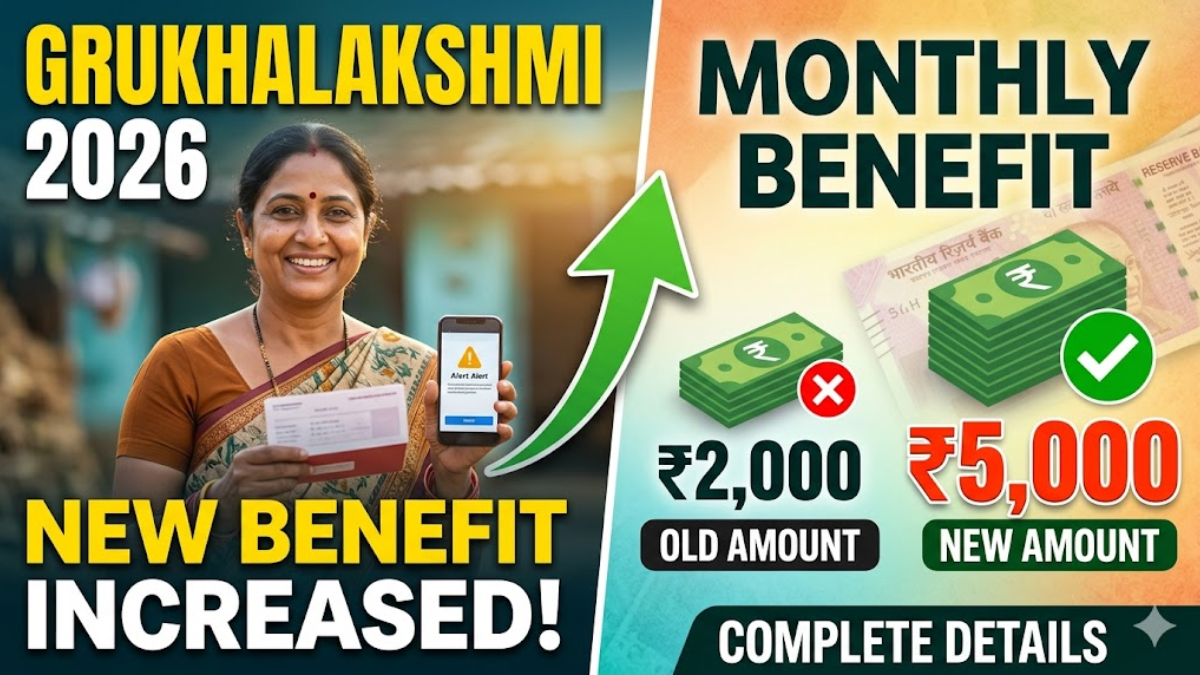
The Gruha Lakshmi Scheme has been widely appreciated for empowering women and providing them with greater control over household decision-making. As discussions continue about increasing the assistance amount from ₹2,000 to ₹5,000 per month, the scheme has attracted even greater attention due to its potential to significantly improve the financial stability of beneficiaries.
Background of the Scheme
Women often serve as the backbone of families, managing household budgets, caring for children, supporting elderly family members, and contributing to the overall welfare of the family. Despite these responsibilities, many women lack independent sources of income.
Recognizing this challenge, the Karnataka Government introduced the Gruha Lakshmi Scheme with the objective of providing direct financial support to women who are heads of their households. The program was created to reduce economic stress, encourage financial inclusion, and promote women’s empowerment through regular monetary assistance.
The scheme is part of a broader vision to create a more inclusive and equitable society where women can participate actively in economic and social development.
Objectives of the Gruha Lakshmi Scheme
The primary objectives of the scheme include:
1. Women’s Financial Empowerment
One of the main goals is to strengthen women’s financial independence by ensuring they receive direct monetary support on a regular basis.
2. Household Welfare
The financial assistance helps families manage essential expenses such as food, healthcare, education, electricity bills, transportation, and other daily needs.
3. Poverty Reduction
The scheme aims to reduce economic hardship among low-income households and improve living conditions across Karnataka.
4. Financial Inclusion
By transferring funds directly to beneficiaries’ bank accounts, the scheme encourages women to participate in formal banking systems.
5. Social Equality
The initiative contributes to reducing gender-based economic disparities and promotes equal opportunities for women.
Proposed Increase from ₹2,000 to ₹5,000
A proposed enhancement of the Gruha Lakshmi benefit amount from ₹2,000 to ₹5,000 per month would represent a major step toward strengthening social security for women.
If implemented, the increase could provide substantial benefits:
Enhanced Household Income
An increase to ₹5,000 per month would provide families with additional financial resources to manage rising living costs.
Better Education Opportunities
Families could allocate more funds toward school fees, books, uniforms, digital learning tools, and higher education.
Improved Healthcare Access
Additional financial support could help households afford medical consultations, medicines, diagnostic tests, and emergency healthcare services.
Increased Savings
Beneficiaries would have greater opportunities to build savings, reducing their vulnerability during financial emergencies.
Economic Stability
Regular financial assistance at a higher level could improve household resilience against inflation and unexpected expenses.
Key Features of the Scheme
The Gruha Lakshmi Scheme contains several features that make it effective and accessible.
Direct Benefit Transfer (DBT)
Funds are transferred directly to the beneficiary’s bank account, ensuring transparency and minimizing delays.
Focus on Women
The scheme specifically targets women heads of households, recognizing their central role in family welfare and financial management.
Statewide Coverage
Eligible beneficiaries across Karnataka can participate in the scheme, ensuring broad social impact.
Simplified Application Process
The government has designed the application process to be straightforward and accessible for eligible women.
Transparency
The use of digital platforms and direct transfers helps ensure accountability and efficient delivery of benefits.
Eligibility Criteria
While eligibility requirements may be updated periodically, beneficiaries generally need to meet specific conditions to qualify for the scheme.
Typical eligibility factors may include:
- The applicant must be a woman.
- She should be recognized as the head of the household.
- She must be a resident of Karnataka.
- Required identification and supporting documents must be provided.
- The applicant must satisfy other conditions specified by the government.
Applicants should always verify the latest eligibility requirements through official government sources before applying.
Documents Required
Applicants may be required to submit documents such as:
- Aadhaar Card
- Ration Card
- Residence Proof
- Bank Account Details
- Passport-size Photograph
- Mobile Number
- Any additional documents requested by authorities
Accurate documentation helps ensure smooth processing and timely approval.
Benefits of Increasing the Assistance to ₹5,000
If the monthly assistance is increased to ₹5,000, the impact could be far-reaching.
Support Against Inflation
Rising prices affect household budgets significantly. Higher assistance would help families manage increased costs of food, fuel, education, and healthcare.
Greater Financial Security
Women would have access to a more substantial and predictable source of income.
Enhanced Nutrition
Families could spend more on nutritious food, contributing to better health outcomes for children and adults.
Empowerment Through Economic Participation
Women with greater financial resources often gain more influence in household decision-making and community activities.
Improved Quality of Life
Additional income could help families improve housing conditions, access essential services, and pursue long-term goals.
Social Impact of the Scheme
The Gruha Lakshmi Scheme has the potential to create positive social change in multiple areas.
Women’s Empowerment
Financial independence often leads to increased confidence, self-reliance, and participation in social and economic activities.
Education Advancement
Families receiving support are better positioned to invest in their children’s education.
Community Development
Financially stable households contribute to stronger and more resilient communities.
Gender Equality
The scheme helps recognize and support the economic contributions of women within families and society.
Economic Impact
The economic benefits extend beyond individual households.
Increased Consumer Spending
Higher disposable income can stimulate local economies through increased spending on goods and services.
Support for Small Businesses
Local vendors, retailers, and service providers may benefit from increased purchasing power among beneficiaries.
Rural Development
The scheme can contribute to economic activity in rural areas where financial assistance often has a significant multiplier effect.
Financial Inclusion
More women participating in banking systems can strengthen the state’s financial ecosystem.
Challenges and Considerations
While the scheme offers substantial benefits, several challenges may need attention.
Funding Requirements
Increasing the benefit amount would require significant financial resources from the state government.
Beneficiary Verification
Accurate identification of eligible beneficiaries is essential for maintaining transparency.
Timely Disbursement
Efficient payment systems are necessary to ensure beneficiaries receive assistance without delays.
Awareness Programs
Public awareness campaigns can help ensure eligible women understand the scheme and application process.
Future Prospects
The future of the Gruha Lakshmi Scheme appears promising. As policymakers continue to evaluate its impact, opportunities may emerge to expand benefits, improve delivery mechanisms, and enhance support for women across Karnataka.
Potential future developments could include:
- Higher financial assistance.
- Expanded beneficiary coverage.
- Improved digital services.
- Enhanced grievance redressal systems.
- Greater integration with other welfare programs.
Such improvements could further strengthen the scheme’s role in promoting inclusive growth and social welfare.
Conclusion
The Gruha Lakshmi Scheme represents a landmark effort to empower women and improve household financial security in Karnataka. By providing direct financial assistance to women heads of families, the initiative supports economic independence, social development, and poverty reduction.
A potential increase in assistance from ₹2,000 to ₹5,000 per month would significantly enhance the scheme’s impact, helping families cope with rising costs and achieve greater financial stability. The additional support could improve education, healthcare, nutrition, savings, and overall quality of life for millions of beneficiaries.
Ultimately, the Gruha Lakshmi Scheme stands as a powerful example of how targeted welfare initiatives can create meaningful social and economic transformation. By investing in women, the state invests in stronger families, healthier communities, and a more prosperous future for all.