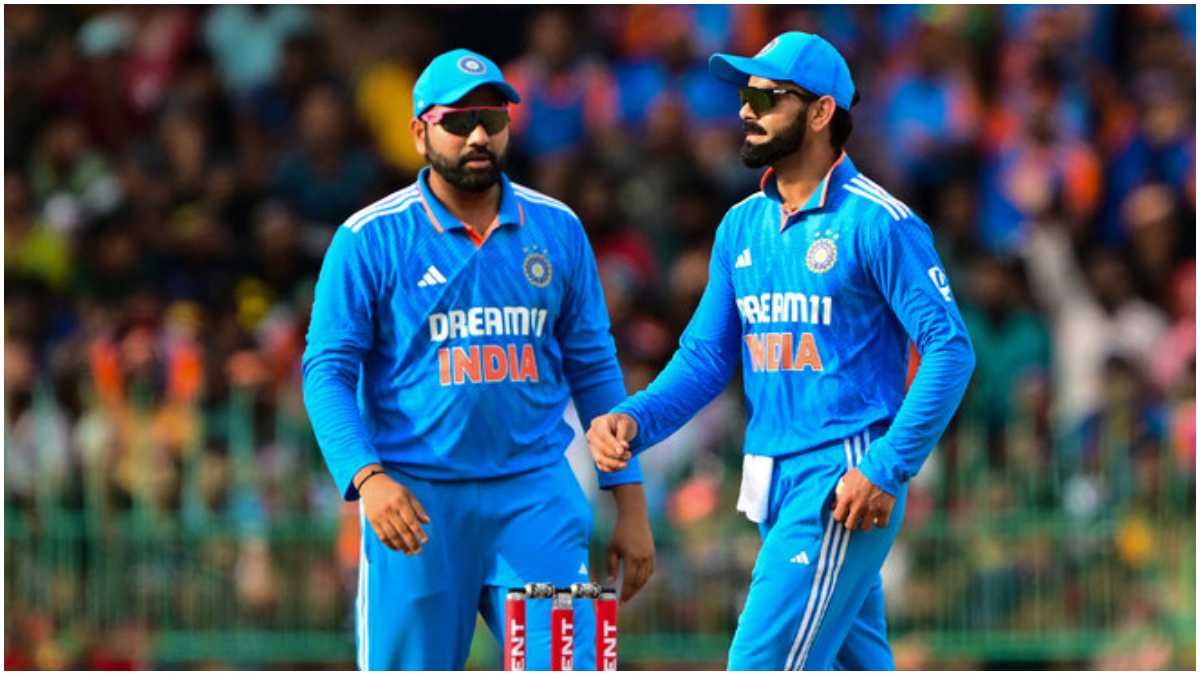
The return of Indian cricket superstars Virat Kohli and Rohit Sharma to the Vijay Hazare Trophy has sparked widespread excitement across the domestic cricket circuit. While fans were thrilled to see two of India’s most iconic modern-day players back in the colors of their state teams, one question dominated conversations both online and offline: How much do Virat Kohli and Rohit Sharma actually earn in the Vijay Hazare Trophy?

After weeks of speculation, the answer is finally clear.
Despite being global cricketing icons, multi-crore IPL earners, and centrally contracted BCCI players, Kohli and Rohit earn exactly the same match fee as any other senior domestic cricketer in the Vijay Hazare Trophy. The revelation has surprised many fans and once again highlights the stark contrast between India’s domestic cricket structure and the glamour of franchise leagues like the IPL.
This article takes a deep dive into the Vijay Hazare Trophy salary structure for the 2025–26 season, explaining how player payments work, where Kohli and Rohit fit into the system, and how domestic tournaments continue to prioritize equality, merit, and experience over star power.
A Boost for Domestic Cricket
The Vijay Hazare Trophy, India’s premier domestic one-day competition, has long been regarded as the backbone of India’s white-ball cricket ecosystem. Although it lacks the commercial shine of the Indian Premier League, the tournament remains crucial for talent identification, player development, and maintaining competitive depth in Indian cricket.
The return of Kohli and Rohit—representing Delhi and Mumbai respectively—has injected new life into the tournament. Stadium attendance, television viewership, and digital engagement have all seen noticeable spikes, underscoring the influence these two players still wield over Indian cricket fans.
Their participation also sends a strong message: domestic cricket still matters, even for the biggest stars in the game.
Why the Salary Question Gained Attention
In an era where top cricketers routinely earn tens of crores annually through IPL contracts, endorsements, and international match fees, many assumed Kohli and Rohit would command special compensation in domestic tournaments.
However, unlike the IPL—which operates on a franchise auction model—the Vijay Hazare Trophy follows a fixed pay structure determined by the Board of Control for Cricket in India (BCCI). This structure ensures fairness and prevents financial disparities within domestic teams.
As a result, no player—regardless of reputation—earns more than the prescribed match fee.
Vijay Hazare Trophy 2025–26: Salary Structure Explained
For the 2025–26 season, the BCCI has continued with a tier-based payment system, where players are categorized according to the number of List A matches they have played in their careers.
The number of List A matches serves as the primary metric for determining a player’s category and match fee.
1. Senior Category
(More than 40 List A matches)
- Playing XI: ₹60,000 per match
- Reserve players: ₹30,000 per match
This is the highest pay bracket in the Vijay Hazare Trophy.
2. Intermediate Category
(21 to 40 List A matches)
- Playing XI: ₹50,000 per match
- Reserve players: ₹25,000 per match
3. Junior Category
(0 to 20 List A matches)
- Playing XI: ₹40,000 per match
- Reserve players: ₹20,000 per match
Where Do Kohli and Rohit Stand?
Virat Kohli and Rohit Sharma comfortably fall into the Senior Category, having played well over 40 List A matches during their illustrious careers.
This means:
➡ Virat Kohli earns ₹60,000 per match for Delhi
➡ Rohit Sharma earns ₹60,000 per match for Mumbai
No bonuses.
No special clauses.
No superstar premiums.
They earn exactly the same amount as any other senior domestic player in the competition.
A Stark Contrast to International Cricket Earnings
To put things into perspective:
- BCCI pays ₹6 lakh per ODI match to centrally contracted players
- Kohli and Rohit also receive annual retainers under BCCI’s central contract system
- IPL earnings for both players run into several crores per season
Compared to these figures, the Vijay Hazare Trophy match fee may seem modest. However, domestic cricket is not designed to compete financially with international or franchise cricket—it exists to sustain India’s cricketing pipeline.
Additional Earnings Beyond Match Fees
Although the base match fee remains fixed, players can still supplement their income during the tournament through other avenues.
1. Daily Allowances
Players receive daily allowances to cover:
- Travel expenses
- Accommodation
- Meals
These allowances vary depending on location and duration of stay but form a standard part of domestic cricket compensation.
2. Performance Bonuses
- Player of the Match awards typically carry a cash prize of around ₹10,000
- Exceptional performances in knockout matches may attract additional incentives from state associations
3. Prize Money Distribution
Teams that progress to the knockout stages and finals share in a significant prize pool, which is distributed among:
- Players
- Coaching staff
- Support personnel
While exact figures vary each season, reaching the later stages can meaningfully increase a player’s overall earnings.
Why the System Treats Everyone Equally
The BCCI’s domestic pay model is intentionally designed to:
- Prevent financial inequality within teams
- Maintain discipline and team harmony
- Ensure young players are not overshadowed financially by senior stars
- Keep domestic cricket focused on performance and development rather than commercial appeal
By paying Kohli and Rohit the same as any other senior player, the system reinforces the principle that domestic cricket is about contribution, not celebrity.
Impact of Kohli and Rohit’s Return
Beyond financial discussions, the presence of Kohli and Rohit has had several tangible benefits for the Vijay Hazare Trophy:
1. Mentorship for Young Players
Younger cricketers get invaluable exposure by sharing the dressing room with legends of the game.
2. Increased Competitive Standards
Opposition teams raise their performance levels when facing star players.
3. Enhanced Visibility
Matches featuring Kohli and Rohit attract national attention, benefiting domestic cricket as a whole.
Experts Weigh In
Cricket analysts believe that while Kohli and Rohit may not earn much from the tournament, their value lies elsewhere.
“Domestic cricket isn’t about money for players like Kohli and Rohit. It’s about rhythm, match practice, and giving back to the system that shaped them,” one former India cricketer noted.
Experts also point out that their participation sets a strong example for younger Indian players, reinforcing respect for domestic competitions.
Final Thoughts
Virat Kohli and Rohit Sharma earning ₹60,000 per match in the Vijay Hazare Trophy may surprise fans accustomed to their multi-crore earnings elsewhere. But this revelation beautifully captures the essence of Indian domestic cricket—fairness, structure, and opportunity.
Their presence has already elevated the tournament’s stature, proving that domestic cricket doesn’t need glamour to remain relevant. Sometimes, it just needs commitment from its greatest stars.
As the Vijay Hazare Trophy continues, one thing is clear: while Kohli and Rohit may not be playing for money, their participation is priceless for Indian cricket.