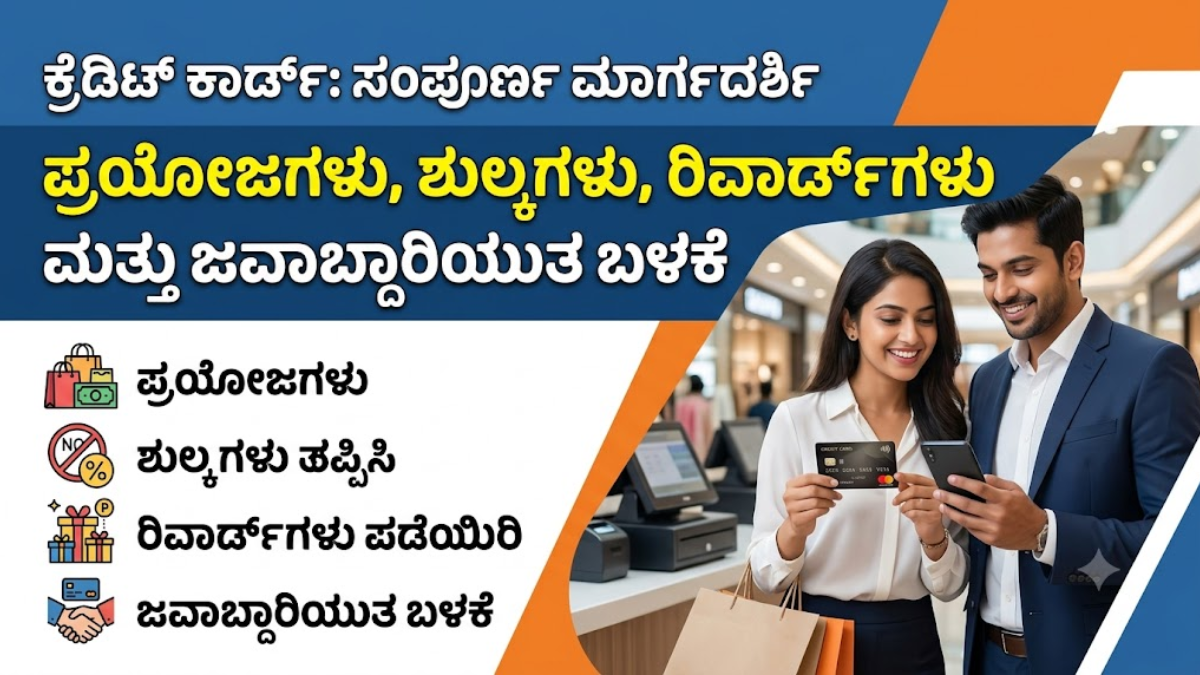
Credit cards have become an important financial tool for many people. They can make everyday payments more convenient, provide rewards, and offer short-term access to credit. However, using a credit card responsibly is essential because unpaid balances and fees can become expensive.

Understanding how credit cards work can help users make better financial decisions and avoid unnecessary debt.
What Is a Credit Card?
A credit card is a payment card that allows you to borrow money from a card issuer up to a predetermined credit limit. You can use the card to purchase goods and services, pay bills, or make eligible online transactions.
Unlike a debit card, which generally uses money directly from your bank account, a credit card uses a line of credit. The amount you spend becomes part of your outstanding balance, which you are expected to repay according to the card’s billing terms.
How Does a Credit Card Work?
When you make a purchase with a credit card, the transaction is charged against your available credit. At the end of a billing cycle, the card issuer generates a statement showing your transactions, total amount due, minimum payment, and payment deadline.
If you pay the full statement balance by the due date, you may avoid interest on eligible purchases, depending on the card’s terms. If you carry a balance, interest and other applicable charges may increase the amount you owe.
Credit cards can therefore be useful when managed carefully, but they should not be treated as unlimited free money.
Types of Credit Cards
Different credit cards are designed for different spending needs. Some cards focus on cashback, allowing users to receive a percentage of eligible purchases back as rewards.
Reward cards may provide points for spending, which can sometimes be redeemed for merchandise, discounts, travel benefits, or other options.
Travel-focused cards may offer benefits such as travel rewards, airport-related privileges, or other travel features. Some cards are designed specifically for businesses, while others may be intended for students or people building their credit history.
The best card depends on an individual’s spending habits, financial situation, and eligibility.
Benefits of Credit Cards
One major advantage is convenience. Credit cards can be used for online purchases, subscriptions, travel bookings, and everyday expenses.
Many cards also provide rewards. A person who regularly uses a suitable card for planned purchases may earn cashback or reward points.
Credit cards can also provide useful transaction records, making it easier to review monthly spending. Depending on the issuer and card, additional features may include purchase protection, promotional offers, or other benefits.
Costs and Risks
Credit cards can have several costs. These may include annual fees, interest charges, late-payment fees, cash-advance charges, foreign transaction fees, and other applicable fees.
The exact charges vary between cards, so consumers should read the terms and conditions before applying.
One of the biggest risks is accumulating debt. Making only minimum payments can leave a balance outstanding for a long period, particularly when interest rates are high.
Missing payments can also negatively affect your credit history, depending on the reporting practices and rules applicable in your country.
How to Use a Credit Card Responsibly
A simple approach is to spend within your budget rather than your available credit limit. Whenever possible, pay the full statement balance by the due date.
Keep track of your transactions and check every statement for unfamiliar charges. Avoid using a credit card to fund expenses that you cannot realistically repay.
Before choosing a card, compare its annual fee, interest rate, rewards, eligibility requirements, and other charges. A card with attractive rewards may not be worthwhile if its fees outweigh the benefits you receive.
Final Thoughts
Credit cards can be valuable financial tools when used responsibly. They can provide convenience, rewards, and access to short-term credit, but they can also create expensive debt when payments are missed or balances continue to grow.
The smartest approach is to understand the card’s terms, spend carefully, monitor your balance, and make payments on time. Before applying for any credit card, compare available options and choose one that matches your financial needs and spending habits.