If you are someone who regularly withdraws cash from ATMs, this update is important for you. As the new financial year begins on April 1, several changes are being introduced in the banking sector that could directly impact everyday customers. Just like every year, banks across India are revising their ATM transaction limits, withdrawal rules, and service charges.
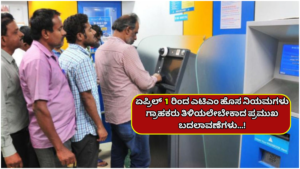
These new regulations are aimed at aligning banking services with growing digital trends while also managing operational costs. However, if customers are not aware of these changes, they may end up paying unnecessary fees or face inconvenience during transactions.
Let’s take a detailed look at what is changing and how it affects you.
Key Changes in ATM Rules from April 1
1. UPI-Based Cash Withdrawals Now Count as ATM Transactions
One of the most significant updates comes from HDFC Bank. The bank has now included UPI-based cardless cash withdrawals under the standard ATM transaction category.
This means that:
- Even if you withdraw money without using a debit card (via UPI), it will still be counted as an ATM transaction.
- Once you exceed your free transaction limit, charges will apply—even for UPI withdrawals.
This change is particularly important because many customers assumed that cardless withdrawals were separate from traditional ATM usage. That is no longer the case.
2. Free Transaction Limits Remain, But Charges Apply After Limit
ATM users are allowed a certain number of free transactions every month. Typically:
- 5 free transactions at your own bank’s ATMs
- 3 free transactions at other bank ATMs
After exceeding this limit, customers will be charged approximately ₹23 per transaction.
With UPI withdrawals now included, customers may reach their limit faster than before. Therefore, tracking your monthly usage becomes more important.
3. Reduction in Daily Withdrawal Limits by PNB
Another major update comes from Punjab National Bank. The bank has revised its daily ATM withdrawal limits depending on the type of debit card.
Customers can now withdraw:
- Between ₹50,000 to ₹75,000 per day
- The exact limit depends on the card variant
This reduction may affect customers who rely heavily on cash withdrawals for business or personal expenses.
4. Cardless ATM Withdrawals Introduced by Jio Payments Bank
In a move toward digital convenience, Jio Payments Bank has introduced a new feature allowing customers to withdraw cash without using an ATM or debit card.
Here’s how it works:
- Customers can scan a UPI QR code at supported ATMs
- Enter the withdrawal amount via their mobile device
- Authenticate the transaction using UPI
This feature is designed to promote digital banking and reduce dependency on physical cards. It also enhances security, as there is no risk of card skimming.
Why These Changes Are Being Introduced
Banks are adapting to:
- Increasing digital transactions
- Rising ATM maintenance costs
- Growing demand for cardless and contactless services
By including UPI withdrawals in ATM limits, banks aim to:
- Streamline transaction tracking
- Encourage efficient usage
- Reduce system overload from frequent small withdrawals
Impact on Customers
These new rules will have both positive and negative effects:
Positive Impact:
- Easier access to cash without cards
- Increased convenience through UPI-based withdrawals
- Better integration of digital and traditional banking
Negative Impact:
- Faster exhaustion of free transaction limits
- Higher chances of paying extra charges
- Reduced withdrawal limits for some bank users
Customers must adapt their habits to avoid unnecessary fees.
Smart Tips for ATM Users
To make the most of these changes and ensure safe banking, follow these essential tips:
1. Keep Track of Free Transactions
Always monitor how many ATM transactions you have used in a month. Avoid making frequent small withdrawals, as they can quickly exhaust your free limit.
2. Use UPI Withdrawals Wisely
Even though cardless withdrawals are convenient, use them only when necessary. Since they are now counted as ATM transactions, excessive use may lead to additional charges.
3. Protect Your ATM PIN
When withdrawing money:
- Always cover the keypad while entering your PIN
- Avoid using ATMs in isolated or poorly lit areas
- Be cautious of suspicious devices attached to machines
4. Avoid Help from Strangers
If you face issues at an ATM:
- Do not accept help from unknown individuals
- Contact bank staff or customer care instead
Fraudsters often target vulnerable users in ATM locations.
5. Check SMS Alerts Immediately
Whenever a transaction occurs:
- Read your bank SMS alerts carefully
- Report any unauthorized transaction immediately
Quick action can help prevent financial loss.
6. Plan Withdrawals Strategically
Instead of withdrawing small amounts multiple times:
- Withdraw a slightly larger amount less frequently
- This helps stay within free transaction limits
7. Stay Updated with Bank Notifications
Banks often update rules and charges. Make sure to:
- Read emails and SMS from your bank
- Visit official bank websites for updates
The Future of ATM Banking
The banking sector is clearly moving toward a more digital and cashless ecosystem. Features like UPI-based withdrawals and QR code scanning indicate that traditional ATM usage is evolving.
In the future, we can expect:
- More cardless transactions
- Biometric authentication at ATMs
- Reduced dependency on physical banking tools
However, during this transition phase, customers must stay informed and cautious.
Final Thoughts
The new ATM rules coming into effect from April 1 are designed to modernize banking and encourage digital adoption. While these changes offer greater convenience, they also require customers to be more mindful of their transaction habits.
Understanding these updates will help you:
- Avoid unnecessary charges
- Use banking services efficiently
- Stay secure while handling your finances
Being informed is the key to smart banking. Make sure you adjust your usage patterns accordingly and stay alert to protect your money.