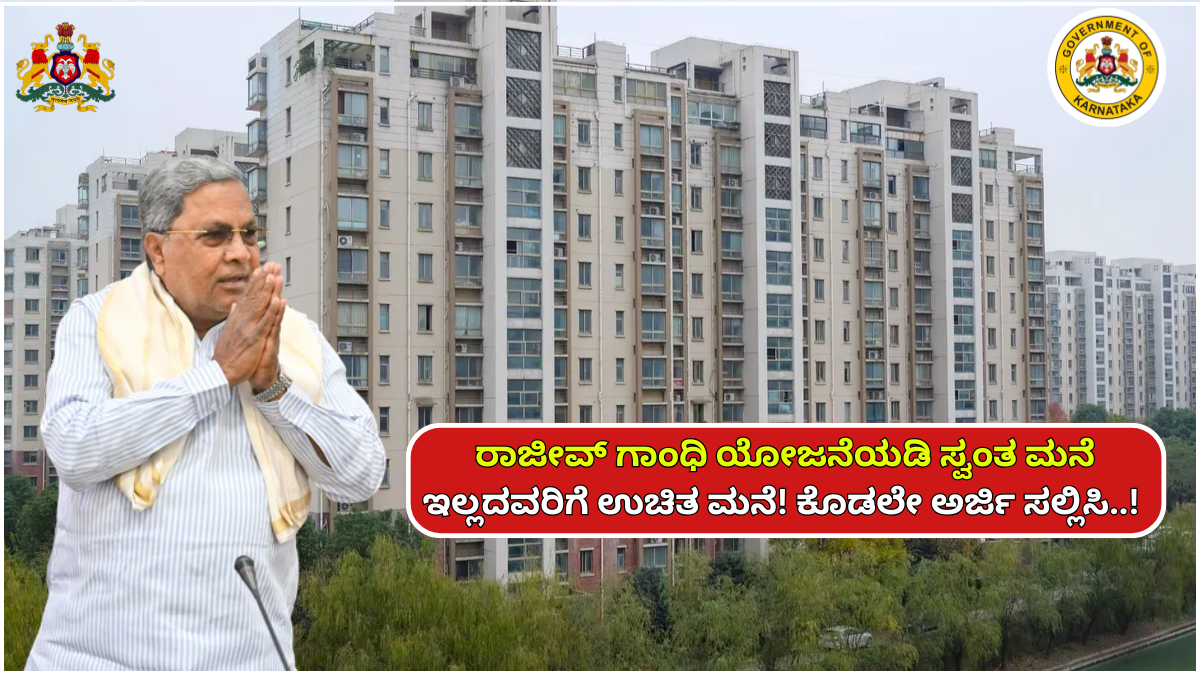
Housing is one of the most fundamental needs of human life. Across developing nations, rapid population growth, urbanization, and unequal distribution of wealth have made affordable housing a major challenge. India, home to over a billion people, has experienced this challenge on a vast scale. To address issues of poverty, homelessness, and inadequate living conditions, several welfare programs have been introduced over the decades. Among these initiatives, the Rajiv Gandhi Housing Scheme stands out as an important government-backed effort to ensure shelter for low-income families.
Named after former Prime Minister Rajiv Gandhi, known for his vision of modernization and development, the scheme aimed to empower economically weaker households by providing them safe and secure housing. Over time, it became an umbrella term associated with various state-level and central housing programs inspired by his ideals. This article provides a detailed examination of the scheme, including its background, objectives, features, eligibility guidelines, implementation strategies, achievements, challenges, and overall impact on Indian society.
Background and Origin of the Scheme
Rajiv Gandhi served as India’s youngest Prime Minister, and his developmental philosophy influenced a number of welfare initiatives long after his tenure. Housing for the urban and rural poor was seen as a critical requirement, especially during the late 20th century when the country was witnessing significant economic and demographic shifts.
Although different states interpreted and implemented the Rajiv Gandhi Housing Scheme in their own ways, the core purpose remained uniform:
- To provide affordable housing to low-income groups
- To improve the quality of life of underprivileged communities
- To ensure access to basic amenities as part of a human-centered development model
Several states—including Andhra Pradesh, Karnataka, Kerala, and Tamil Nadu—launched their housing programs under this name or a similar banner, blending state resources with central guidelines.
Objectives of the Rajiv Gandhi Housing Scheme
The overall objective of the Rajiv Gandhi Housing Scheme has been to ensure that every family living below the poverty line has access to safe, permanent, and dignified housing. The key goals include:
1. Providing Affordable Housing
The scheme aimed at constructing houses for families who lacked permanent shelters. Such homes were designed to be cost-effective, simple, and structurally sound.
2. Eradicating Homelessness
One of the most important targets was to reduce homelessness in both rural and urban areas by allocating government-built homes to eligible families.
3. Improving Living Standards
The program included provisions for sanitation, clean drinking water, electricity, proper ventilation, and accessibility to community services.
4. Promoting Social Equality
By focusing on marginalized communities—such as Scheduled Castes, Scheduled Tribes, and other vulnerable groups—the scheme attempted to reduce social inequality.
5. Encouraging Women Empowerment
Many versions of the scheme encouraged allotment of ownership rights to women or joint ownership between husband and wife, promoting gender equality in property rights.
Key Features of the Scheme
Although the specific design varied among states, the Rajiv Gandhi Housing Scheme generally included several common characteristics.
1. Subsidized Housing Units
Homes were constructed using funds from state governments, the central government, and sometimes urban development agencies. Beneficiaries received subsidies covering a large portion of the cost.
2. Priority for Vulnerable Families
Priority was given to:
- Below Poverty Line (BPL) families
- Widows
- Elderly individuals
- Physically challenged persons
- Single mothers
- Landless laborers
3. Basic Amenities Included
Most housing units included:
- Toilets (often twin-pit or modern sanitation)
- Water supply connections
- Power supply provisions
- Drainage facilities
- Ventilated rooms with durable roofs
4. Cluster and Community-Based Housing
Many states constructed housing clusters, allowing communities to live together with shared facilities such as roads, parks, and community halls.
5. Financial Assistance for House Construction
For beneficiaries who had their own land, the scheme provided funds to support the construction of new homes or improvement of existing ones.
6. Transparent Allotment Process
Allotments were usually done through:
- Public lotteries
- Gram Sabha verification
- Online beneficiary lists
Transparency measures helped reduce corruption and ensured genuine beneficiaries received homes.
Eligibility Criteria
Eligibility varied from state to state, but the general criteria included:
1. Income Requirements
Applicants had to belong to low-income groups, usually holding BPL cards or meeting state-defined income thresholds.
2. No Existing Pucca House
Families already owning permanent homes were not eligible.
3. Resident of the State
Beneficiaries had to be long-term residents of the respective state implementing the scheme.
4. Special Preference Categories
- Women-headed households
- People with disabilities
- Victims of natural disasters
- Families belonging to marginalized communities
5. Document Requirements
Typical documents included:
- Aadhar card
- Income certificate
- Residence proof
- Ration card
- Caste certificate (if applicable)
Implementation Strategies
The Rajiv Gandhi Housing Scheme was implemented through coordinated efforts involving state housing boards, local bodies, and various development agencies. Key implementation strategies included:
1. Government-Funded Construction
Large-scale construction projects were commissioned through government contractors, local builders, and public-private partnerships.
2. Land Identification
Land was identified based on:
- Availability
- Proximity to public services
- Safety from flood-prone or unstable areas
3. Phased Development
Projects were executed in phases to ensure efficient use of funds and proper monitoring.
4. Monitoring and Evaluation
Government officials conducted periodic inspections to ensure compliance with quality standards.
5. Community Participation
Local communities were often involved in planning and managing housing clusters.
State-Wise Variations of the Scheme
1. Andhra Pradesh – Rajiv Gruha Kalpa
This version focused on providing low-cost housing for low-income families in urban and rural areas. Thousands of flats and individual homes were constructed in planned layouts.
2. Karnataka – Rajiv Gandhi Rural Housing Corporation (RGRHCL)
Karnataka created the RGRHCL to streamline housing construction for poor families. It emphasized transparency, online beneficiary tracking, and efficient fund disbursement.
3. Kerala – Rajiv Gandhi Rural Housing Scheme
Kerala focused on constructing eco-friendly homes with good quality materials and an emphasis on sustainable living.
4. Tamil Nadu – Rajiv Gandhi Ninaivu Illam Scheme
Aimed at providing homes for vulnerable communities, this scheme offered free or subsidized houses along with civic amenities.
Funding Mechanisms
Funding for the Rajiv Gandhi Housing Scheme was derived from multiple sources:
- State government budget allocations
- Central government grants
- Local municipal corporations
- International development agencies (in certain cases)
- Private sector partnerships
- Special housing funds and welfare boards
Beneficiaries were typically required to contribute a small amount, either financially or through labor.
Impact of the Scheme
1. Reduction in Homelessness
The scheme helped thousands of families across different states move from temporary shelters to permanent homes.
2. Poverty Alleviation
A stable home contributes to poverty reduction by providing security, dignity, and an environment where families can pursue work and education.
3. Improved Health and Hygiene
Proper sanitation and clean water access significantly improved public health standards in many villages and urban slums.
4. Empowerment of Women
Property rights given to women enhanced their social status and financial independence.
5. Boost to Local Economies
Construction activities created jobs for laborers, contractors, and local material suppliers.
6. Social Equality and Inclusion
By allocating homes to marginalized groups, the scheme promoted inclusiveness and reduced social discrimination.
Challenges Faced
Despite its success, the scheme faced several obstacles:
1. Delays in Construction
Due to administrative hurdles, fund shortages, or contractor inefficiencies, many projects were delayed.
2. Quality Issues
In some areas, poor construction quality led to complaints and required repairs.
3. Land Acquisition Problems
Urban land scarcity made it difficult to build homes in preferred locations.
4. Incomplete Infrastructure
Some housing colonies lacked proper roads, drainage, or public transport facilities initially.
5. Identification of Beneficiaries
Errors in beneficiary lists sometimes resulted in ineligible households receiving homes, while deserving families were left out.
Comparison with Modern Housing Programs
Today, India’s flagship housing program is Pradhan Mantri Awas Yojana (PMAY). Many principles of PMAY—including affordable housing, urban slum redevelopment, and financial support for home construction—were deeply influenced by earlier schemes like the Rajiv Gandhi Housing Scheme.
Key similarities include:
- Focus on low-income families
- Subsidized housing
- Emphasis on basic amenities
- Joint ownership for women
However, PMAY is more technology-driven and nationwide in scale.
Long-Term Significance
The Rajiv Gandhi Housing Scheme remains significant because it laid the foundation for modern housing policies in India. It introduced important concepts like:
- Sustainable and inclusive housing
- Gender-sensitive property ownership
- Community-based development
- Transparent subsidy allocation
The scheme demonstrated that large-scale housing programs can improve millions of lives when implemented effectively.
Conclusion
The Rajiv Gandhi Housing Scheme represents a major step forward in India’s ongoing journey toward ensuring Housing for All. While it faced challenges, its achievements in reducing homelessness, uplifting marginalized communities, and providing dignity to the poor are noteworthy. The scheme served as a blueprint for future housing initiatives and remains a symbol of the government’s commitment to equitable development.
Across the nation, the homes built under this program have become more than mere shelters—they have become foundations for better health, education, stability, and hope. In the long term, such compassionate welfare schemes contribute significantly to national progress by empowering people at the grassroots level.
The Rajiv Gandhi Housing Scheme thus remains an important chapter in India’s development story, reflecting the vision of inclusive growth and the fundamental belief that every citizen deserves a safe and secure place to call home.