Traditional artisans have played an important role in India’s economy and cultural heritage for generations. However, many skilled workers still face difficulties such as limited access to finance, outdated tools, lack of formal training and fewer opportunities to reach bigger markets. To address these challenges, the Government of India introduced the PM Vishwakarma Yojana.
The scheme focuses on strengthening traditional artisans and craftspeople by providing a combination of financial assistance, skill development, modern tools and marketing support.
What Is PM Vishwakarma Yojana?
PM Vishwakarma Yojana is a central government initiative launched on 17 September 2023. It is aimed at individuals working in traditional occupations that depend primarily on their hands and tools.
The scheme seeks to improve the economic condition of artisans while helping them preserve and develop their traditional skills. Instead of providing only financial assistance, the programme offers several forms of support so that beneficiaries can improve their businesses and become more competitive.
Up to ₹3 Lakh in Credit Support
One of the most discussed benefits of the scheme is credit assistance of up to ₹3 lakh.
Eligible beneficiaries can receive credit in two stages. The first loan tranche can be up to ₹1 lakh, while a second tranche of up to ₹2 lakh can be made available after fulfilling the prescribed conditions, including satisfactory repayment of the earlier loan.
It is important to understand that this ₹3 lakh is loan or credit support and not a free cash payment. The applicable interest rate, repayment period and eligibility conditions are determined under the scheme guidelines.
The credit can help artisans purchase materials, improve their workplaces, acquire equipment and expand their traditional businesses.
Support for Modern Tools
Tools are central to the work of traditional artisans. Old or inefficient equipment can reduce productivity and affect the quality of finished products.
PM Vishwakarma provides support for toolkits to eligible beneficiaries. Access to improved tools can help artisans work more efficiently, produce better-quality goods and potentially increase their income.
Skill Training Opportunities
The scheme also places importance on skill development. Beneficiaries can receive basic and advanced training designed to improve their existing abilities.
Training can introduce artisans to improved production techniques, modern methods and better business practices. This combination of traditional knowledge and modern skills can help workers adapt to changing market demands.
Incentives for Digital Transactions
In today’s economy, digital payments are becoming increasingly important for small businesses and self-employed workers. PM Vishwakarma includes provisions to encourage eligible beneficiaries to use digital transaction methods.
Digital payments can make it easier for artisans to receive money from customers and participate in the formal economy.
Marketing and Business Support
Having a good product is not always enough for a small artisan to succeed. Access to customers and markets is equally important.
PM Vishwakarma aims to support beneficiaries through measures related to branding, promotion, quality improvement and market linkages. Such assistance can help traditional products reach customers beyond the artisan’s immediate locality.
Participation in exhibitions, trade fairs and other promotional opportunities can also provide artisans with greater exposure.
Who Can Apply?
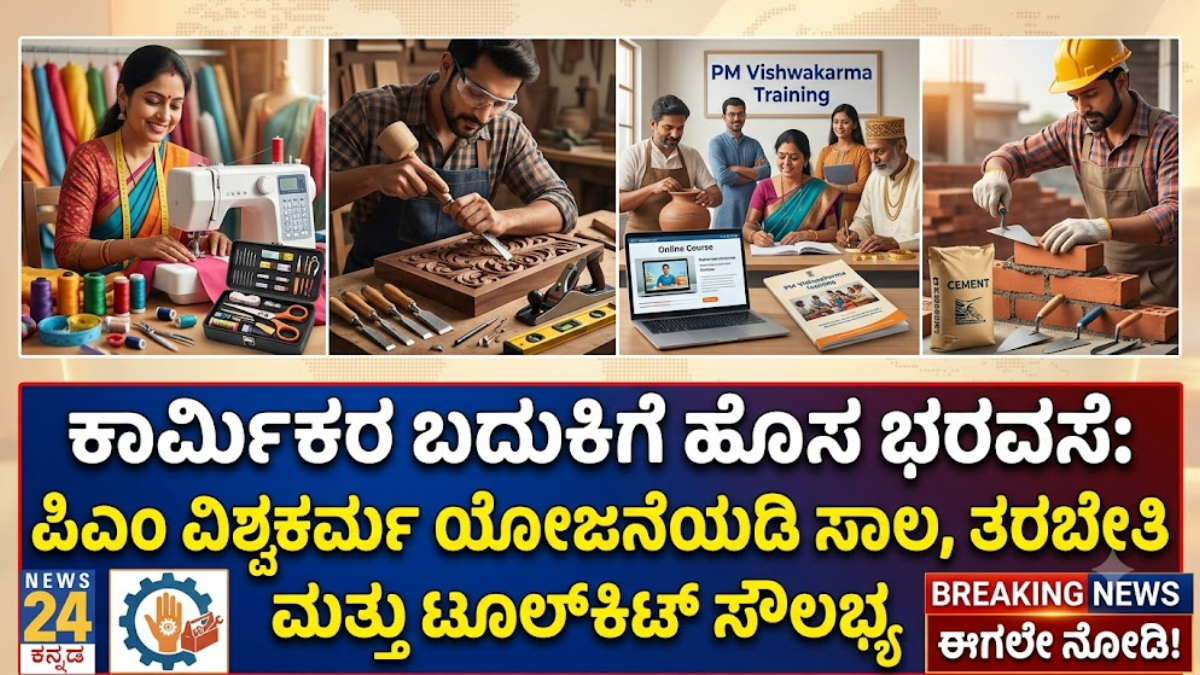
The scheme covers eligible artisans and craftspeople working in specified traditional trades. These include occupations such as carpentry, blacksmithing, pottery, tailoring, masonry, cobbling, goldsmithing, barbering, washing clothes and several other recognised trades.
Applicants must satisfy the eligibility requirements prescribed by the government. Registration and verification are carried out through the designated process.
Why the Scheme Matters
PM Vishwakarma Yojana is significant because it treats traditional artisans not simply as beneficiaries of welfare assistance but as skilled professionals who can contribute to India’s economic growth.
Access to institutional credit can reduce dependence on informal borrowing, while training and modern tools can improve productivity. Marketing support can further help artisans find new customers and develop sustainable businesses.
Conclusion
PM Vishwakarma Yojana provides a comprehensive support system for India’s traditional artisans and craftspeople. With credit support of up to ₹3 lakh, skill training, modern tool assistance, digital incentives and marketing-related support, the scheme can create new opportunities for eligible workers.
For artisans interested in applying, it is essential to check the latest official eligibility requirements, documentation and application procedures before registration. The scheme’s benefits are subject to government rules and verification.
For millions of traditional workers, PM Vishwakarma represents an opportunity to combine India’s rich heritage of craftsmanship with modern finance, technology and markets.