Introduction
Maternal and child health is universally recognised as a key indicator of societal wellbeing. Healthy mothers mean healthier families, stronger communities, and more productive generations. Across India, numerous government programmes have been launched to support pregnant women, ensure safe childbirth, and improve neonatal care. In the southern state of Karnataka.
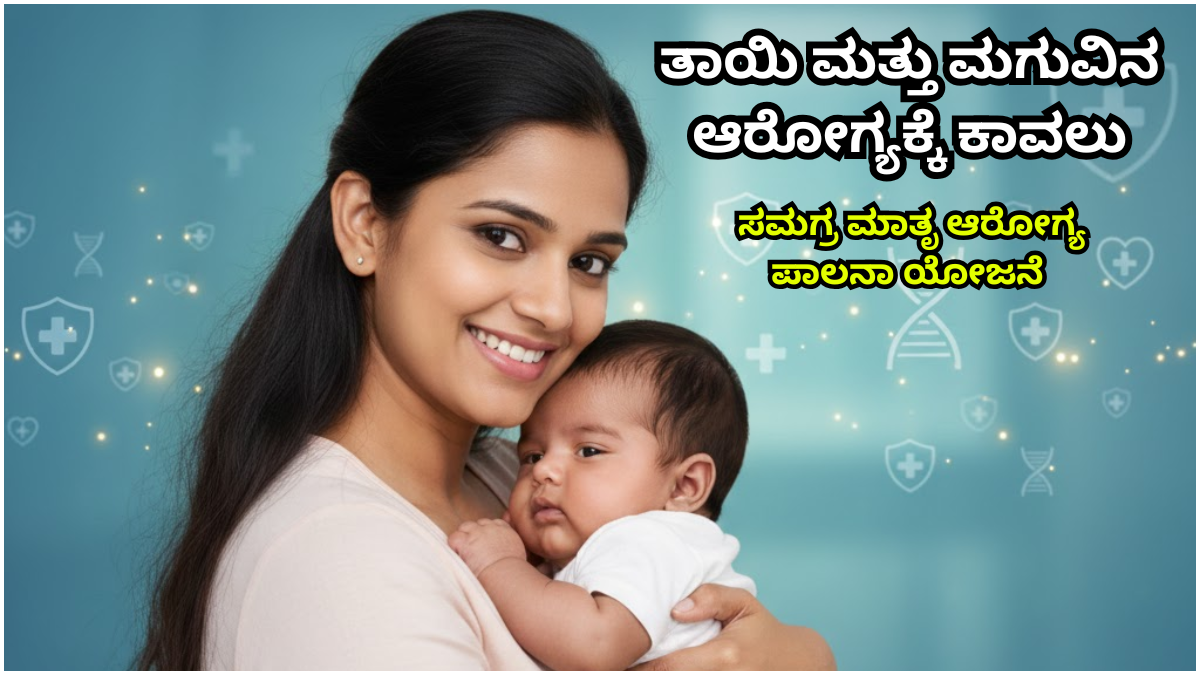
One of the most impactful and wide-ranging initiatives in this domain is the Karnataka Samagra Mathru Arogya Palana Scheme. The name ‘Samagra Mathru Arogya Palana’ translates roughly to “Comprehensive Maternal Health Protection”, capturing the scheme’s holistic approach to supporting women throughout pregnancy, delivery, and the crucial post-natal period.
This article offers an in-depth exploration of the scheme’s purpose, structure, components, eligibility, implementation, impacts, challenges, and future prospects.
Background and Rationale
India, like many developing countries, has historically faced significant challenges related to maternal mortality, infant deaths, and poor prenatal care. While progress has been made over the past decades, maternal and neonatal mortality rates remain high in some regions due to lack of access to quality healthcare, financial constraints, insufficient awareness, and inadequate infrastructure.
Karnataka’s health policymakers recognised that improving maternal and child health cannot rely solely on medical infrastructure; it also requires financial support, accessibility, incentives for institutional delivery, nutrition security, and continuous follow-up. The Samagra Mathru Arogya Palana Scheme emerged from this understanding as an inclusive, multi-pronged framework that connects pregnant and lactating women with both medical services and critical financial assistance.
Unlike programmes focused on singular benefits, this scheme integrates multiple supportive measures — including free hospital care, cash incentives, delivery kits, and post-natal services — in a single umbrella programme. As such, it represents one of Karnataka’s most comprehensive efforts to improve maternal health outcomes and reduce inequalities in access to healthcare.
Objectives of the Scheme
The overarching aim of the Samagra Mathru Arogya Palana Scheme is to ensure safe pregnancy, safe delivery, and healthy infancy for every woman in Karnataka, especially those from economically vulnerable backgrounds. The key objectives include:
1. Enhancing Access to Quality Healthcare
Providing pregnant women with free or subsidised access to antenatal, delivery, and post-natal health services at public and empanelled private hospitals.
2. Promoting Institutional Deliveries
Encouraging women to deliver in medical facilities with trained professionals rather than at home, thereby reducing risks associated with unskilled birth attendants.
3. Reducing Financial Barriers
Addressing the financial burdens that come with pregnancy, childbirth, and newborn care, especially for families living below the poverty line or those without comprehensive insurance coverage.
4. Improving Maternal and Child Survival
Reducing maternal mortality ratio (MMR) and infant mortality rate (IMR) by linking beneficiaries with consistent medical oversight, nutrition programmes, and post-natal follow-up.
5. Supporting Comprehensive Care
Offering both medical and non-medical support — such as delivery kits, transport assistance, and cash transfers — to cover essential costs associated with pregnancy.
6. Encouraging Early Health Interventions
Reinforcing the importance of regular check-ups, vaccinations, and nutritional supplements for improved outcomes.
Core Components of the Scheme
The Karnataka Samagra Mathru Arogya Palana Scheme is best understood as a combination of interacting initiatives designed to support different stages of the maternal and neonatal care continuum. The most significant components include:
1. Antenatal Care and Health Monitoring
From the moment a woman learns she is pregnant, regular medical check-ups are crucial. Under the scheme:
- Expectant mothers are encouraged to register their pregnancy with local health centres.
- Regular antenatal visits are scheduled to monitor health, check for complications, and administer essential vaccinations and supplements (such as iron and folic acid).
- Community health workers such as ASHAs (Accredited Social Health Activists) and ANMs (Auxiliary Nurse Midwives) actively coordinate home visits, health education, and reminders for check-ups.
This early engagement ensures that medical issues are identified and addressed well before childbirth.
2. Thayi Bhagya Scheme: Free Delivery and Medical Care
One of the most visible parts of the maternal health framework is the Thayi Bhagya Scheme, which guarantees free and cashless delivery services in government hospitals and empanelled private facilities.
Under this component:
- All delivery-related expenses — including consultations, medicines, operation theatre charges (for caesarean sections), and hospital stay — are covered.
- Transport costs to reach the hospital may also be reimbursed or provided directly.
- Mothers are treated at no charge up to a predetermined period after delivery.
This provision is particularly critical for families that cannot afford institutional delivery costs, which may otherwise push them into medical debt.
3. Prasoothi Araike: Post-Delivery Financial Support
After childbirth, new mothers face a range of expenses related to recovery and newborn care. The Prasoothi Araike component offers direct cash incentives to help with these costs:
- A fixed amount is transferred to the mother’s bank account after delivery.
- The amount may vary according to socio-economic category (e.g., higher for Scheduled Caste/Scheduled Tribe beneficiaries or women below the poverty line).
This incentive encourages institutional deliveries and helps families manage early childcare expenses.
4. Madilu Kit: Essential Supplies for Mother and Newborn
Health outcomes are not determined solely by medical procedures; they are also influenced by nutrition, hygiene, and equipment. The Madilu Kit (translated as “comfort kit” or “welcome kit”) is provided to women delivering in government hospitals and includes:
- Basic hygiene supplies (soaps, sanitary products)
- Clean clothes for baby and mother
- Nutritional supplements
- Infant feeding supplies
- Blankets and other essential items
If women choose to deliver in private non-empanelled facilities, they may receive an equivalent cash support instead of the physical kit.
5. Transport Assistance
Recognising that reaching hospitals can be a major challenge in remote areas, the scheme often includes provisions for transportation support, either directly through government-run ambulances or through reimbursement for travel expenses.
6. Post-Natal Follow-Up and Child Care
After delivery, ensuring the health of both mother and newborn remains a priority:
- Health workers continue to follow up with post-natal check-ups.
- Children receive immunisations in line with national schedules.
- Mothers are educated about breastfeeding, nutrition, family planning, and infant care practices.
This continuum of care helps reduce post-natal complications and supports early childhood development.
Eligibility Criteria
The scheme is designed to be inclusive, but specific eligibility conditions ensure benefits are targeted appropriately. Generally, to be eligible:
Basic Requirements
- The woman must be a resident of Karnataka and pregnant at the time of registration.
- She should register her pregnancy with health authorities as early as possible.
- Beneficiaries must complete required documentation, including identity proof, address verification, and a bank account for direct benefit transfers.
Targeted Beneficiaries
While many components are available to all pregnant women, certain incentives and higher financial support may be prioritised for:
- Women living below the poverty line (BPL)
- Scheduled Caste (SC) and Scheduled Tribe (ST) beneficiaries
- Those without health insurance or social security cover
In all cases, linking the beneficiary with a bank account ensures that cash incentives are disbursed efficiently through direct benefit transfer systems.
Implementation and Operational Framework
The success of any public health scheme depends heavily on efficient implementation. The Samagra Mathru Arogya Palana Scheme operates through a multi-tiered network of government health infrastructure and community outreach mechanisms:
1. Local Health Workers as Primary Facilitators
Community-level health workers — especially ASHAs and ANMs — play a central role:
- Identifying and registering pregnant women early in their first trimester
- Educating families about health practices and scheme benefits
- Scheduling medical visits and tracking health indicators
- Assisting with documentation and benefit enrolment
Their presence ensures that even women in remote rural areas are not left out of the programme.
2. Health Centres and Hospitals
Benefits are delivered through:
- Primary Health Centres (PHCs) and Community Health Centres (CHCs) for routine check-ups and basic care
- District Hospitals and Specialised Hospitals for complicated deliveries or emergency care
- Empanelled Private Hospitals for women who prefer private facility services
Government health administrators maintain a database to track beneficiaries, ensure compliance, and monitor the flow of funds and supplies.
3. Direct Benefit Transfer (DBT) System
Financial incentives such as Prasoothi Araike are transferred directly into the beneficiary’s bank account using the DBT system. This reduces leakages, increases transparency, and ensures timely assistance.
Impact and Outcomes
Since its implementation, the Samagra Mathru Arogya Palana Scheme has yielded several measurable and qualitative impacts:
1. Increased Institutional Deliveries
By removing financial barriers and offering incentives, the scheme has encouraged more women to opt for hospital deliveries. Institutional births are linked with significantly better health outcomes compared to home deliveries without skilled attendants.
2. Reduced Financial Stress
Families that previously struggled to afford delivery costs now experience reduced out-of-pocket expenses. Cash incentives help cover both medical and non-medical expenses, easing economic burden — especially in low-income households.
3. Improved Maternal Health Indicators
Regular antenatal check-ups, nutrition support, and post-natal follow-ups have contributed to declines in maternal complications. While long-term data continues to accumulate, early reports indicate improvements in indicators such as anaemia rates and prenatal care coverage.
4. Enhanced Child Health Outcomes
With Madilu Kits, immunisation linkages, and follow-up care, infants born under the scheme enjoy better early nutrition, hygiene, and preventive care — translating into healthier infancy and early childhood.
5. Empowerment Through Awareness
Through continuous education efforts, many women have become more informed about family planning, nutrition, breastfeeding, and hygiene, contributing to lasting behavioural changes.
Challenges and Considerations
Despite its successes, the scheme faces ongoing challenges:
1. Awareness Gaps
Not all eligible women are fully aware of the scheme’s benefits or the registration process — particularly in marginalised communities with lower literacy rates.
2. Infrastructure Limitations
While many government hospitals offer free services, the quality of care and availability of specialised facilities vary by region. Rural areas often face shortages of trained staff and medical equipment.
3. Administrative Hurdles
Documentation requirements and eligibility verification processes sometimes delay benefit disbursements — which can be discouraging for beneficiaries needing immediate support.
4. Monitoring and Evaluation Needs
Ensuring robust, real-time data on maternal outcomes, service quality, and beneficiary satisfaction remains an ongoing administrative challenge.
Addressing these issues requires sustained investments in health infrastructure, stronger community outreach, improved digital record-keeping, and continuous feedback mechanisms.
Comparisons with Other Maternal Health Initiatives
The Samagra Mathru Arogya Palana Scheme complements other national and state-level programmes such as:
- Pradhan Mantri Matru Vandana Yojana (PMMVY) — a central government maternity benefit programme offering cash incentives for pregnancy and lactation
- Janani Suraksha Yojana (JSY) — which promotes institutional deliveries through conditional cash transfers
- State-run nutrition and immunisation campaigns — to reduce malnutrition and prevent common childhood diseases
While the central programmes offer foundational support, the Karnataka scheme amplifies benefi ts by integrating multiple services under one structured system tailored to state-specific needs.
Future Outlook and Recommendations
To maximise impact and sustainability, several areas can be strengthened:
1. Expanded Awareness Campaigns
Greater use of media, community meetings, and local leaders can ensure that women and families fully understand their rights and the scheme’s advantages.
2. Strengthened Digital Systems
Digitisation of health records, tracking systems, and benefit dashboards can reduce delays, improve monitoring, and generate data for better policy decisions.
3. Quality Assurance Mechanisms
Periodic audits, patient feedback systems, and clinical evaluations can enhance service quality at all participating facilities.
4. Broader Inclusion Efforts
Ensuring that migrant, undocumented, and socially marginalised women are not excluded from benefits remains a priority.
By addressing these areas, the Samagra Mathru Arogya Palana Scheme can continue to evolve into a model of maternal and child welfare — not just in Karnataka, but across India and beyond.
Conclusion
The Karnataka Samagra Mathru Arogya Palana Scheme represents a comprehensive and compassionate approach to maternal and child health. By combining medical support, financial incentives, education, and community outreach, it addresses the complex challenges faced by pregnant women and new mothers. The scheme highlights the importance of holistic policy design — one that recognises health not merely as the absence of disease but as an outcome of social support, economic inclusion, and continuous care.
As Karnataka continues to refine and expand this programme, its long-term impact will be measured not only in maternal mortality rates and institutional delivery statistics, but in the wellbeing, dignity, and empowerment of mothers and children throughout the state.