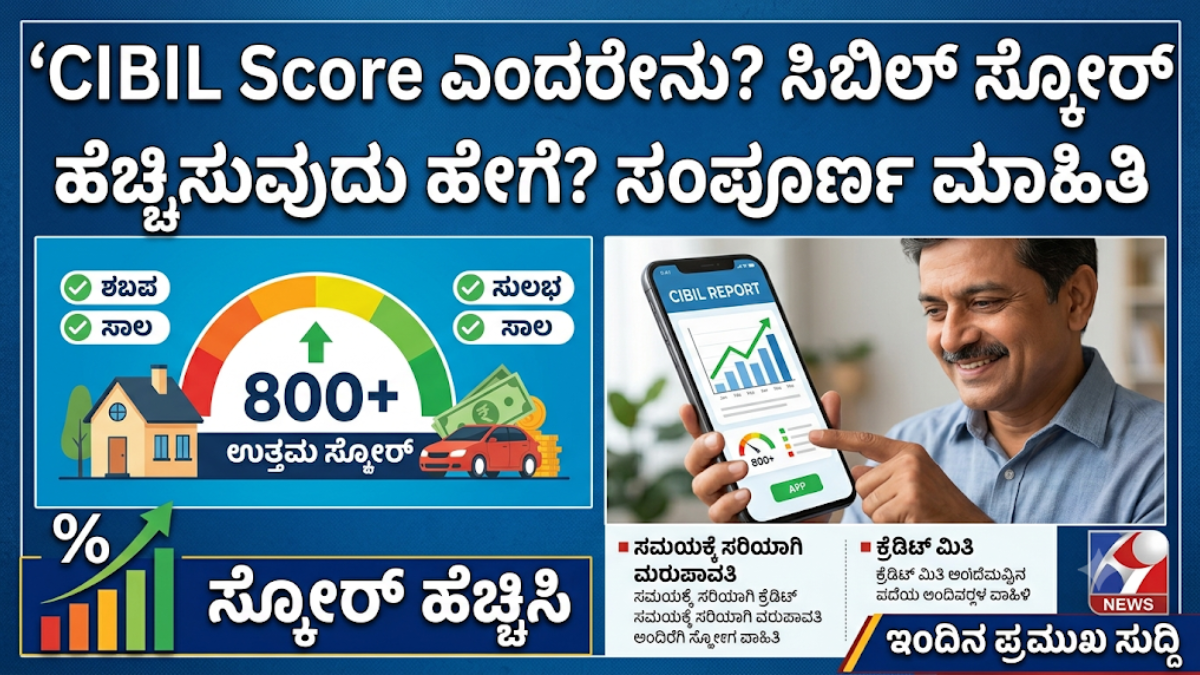
A CIBIL Score is one of the most important numbers used in India’s lending system. Whether you are planning to apply for a personal loan, home loan, car loan, or credit card, your credit score can influence how lenders evaluate your application.
Understanding your CIBIL Score and maintaining a healthy credit profile can make borrowing easier and may help you access better loan terms.
What Is a CIBIL Score?
A CIBIL Score is a three-digit number that represents your credit history and creditworthiness. It generally ranges from 300 to 900. The score is calculated using information from your credit accounts, repayment history, credit utilization, and other factors in your credit report.
In general, a higher score indicates a stronger credit profile. However, lenders may use their own eligibility criteria in addition to your credit score when making lending decisions.
Why Is Your CIBIL Score Important?
Banks and financial institutions may check your credit history when you apply for credit. Your score can be one of the factors considered during this assessment.
A healthy credit profile can potentially help you:
- Improve your chances of loan approval
- Access competitive interest rates, depending on the lender
- Qualify for higher credit limits
- Receive better credit card offers
- Build a stronger financial reputation
A lower score does not automatically mean that your loan application will be rejected. Lenders can consider income, employment, existing debts, repayment capacity, and other information.
What Is a Good CIBIL Score?
CIBIL Scores typically range from 300 to 900. While there is no single score that guarantees loan approval, maintaining a score closer to the upper end of the range is generally considered beneficial.
Many lenders prefer applicants with strong credit histories, but their exact requirements can differ. Therefore, it is important to check the eligibility criteria of the particular bank or financial institution before applying.
Factors That Affect Your CIBIL Score
Several aspects of your credit behaviour can influence your score.
1. Repayment History
Paying EMIs and credit card bills on time is important. Missed or delayed payments can negatively affect your credit profile.
2. Credit Utilization
Credit utilization refers to how much of your available credit limit you are using. Consistently using a very high percentage of your available limit may indicate greater dependence on credit.
3. Credit History
A longer and responsibly managed credit history can provide lenders with more information about your borrowing behaviour.
4. Credit Mix
Having different types of credit, such as secured and unsecured loans, can contribute to your overall credit profile. However, you should not borrow unnecessarily simply to create a credit mix.
5. Multiple Credit Applications
Making several loan or credit card applications within a short period can result in multiple credit inquiries. Frequent applications may affect how lenders view your credit profile.
How to Improve Your CIBIL Score
Improving a credit score usually requires consistent financial habits rather than a quick fix.
Pay all EMIs and credit card bills before their due dates. Keep your credit card balances under control and avoid regularly using most of your available limit. Review your credit report periodically and check for incorrect account information or unfamiliar transactions.
If you find an error in your credit report, raise a dispute with the relevant credit institution or lender. Also, avoid applying for several loans or credit cards at the same time unless necessary.
How to Check Your CIBIL Score
Consumers can access their credit information through TransUnion CIBIL’s official services. Before providing personal or financial information online, make sure you are using the official website and understand the applicable terms.
Checking your own credit information does not mean you should apply for unnecessary credit products. Regular monitoring is mainly useful for understanding your credit profile and identifying possible errors.
Final Thoughts
Your CIBIL Score is an important part of your financial profile, particularly when you plan to borrow money. Maintaining timely repayments, controlling credit utilization, limiting unnecessary credit applications, and reviewing your credit report regularly can help you build responsible credit habits.
Remember that a credit score is only one part of a lender’s decision. Income, existing liabilities, employment, loan requirements, and the lender’s internal policies can also influence whether credit is approved and on what terms.